


Used Bikes & New Bikes: A Comparison
When it comes to purchasing a bike, particularly for enthusiasts and outdoor adventurers, the choice between a new bike and a preowned one can be a crucial decision. Whether you’re looking for a road bike for speedy commuting, a mountain bike for rugged trails, or a gravel bike for multi-terrain adventures, understanding the benefits and drawbacks of refurbished bikes compared to new ones can help you make an informed choice.
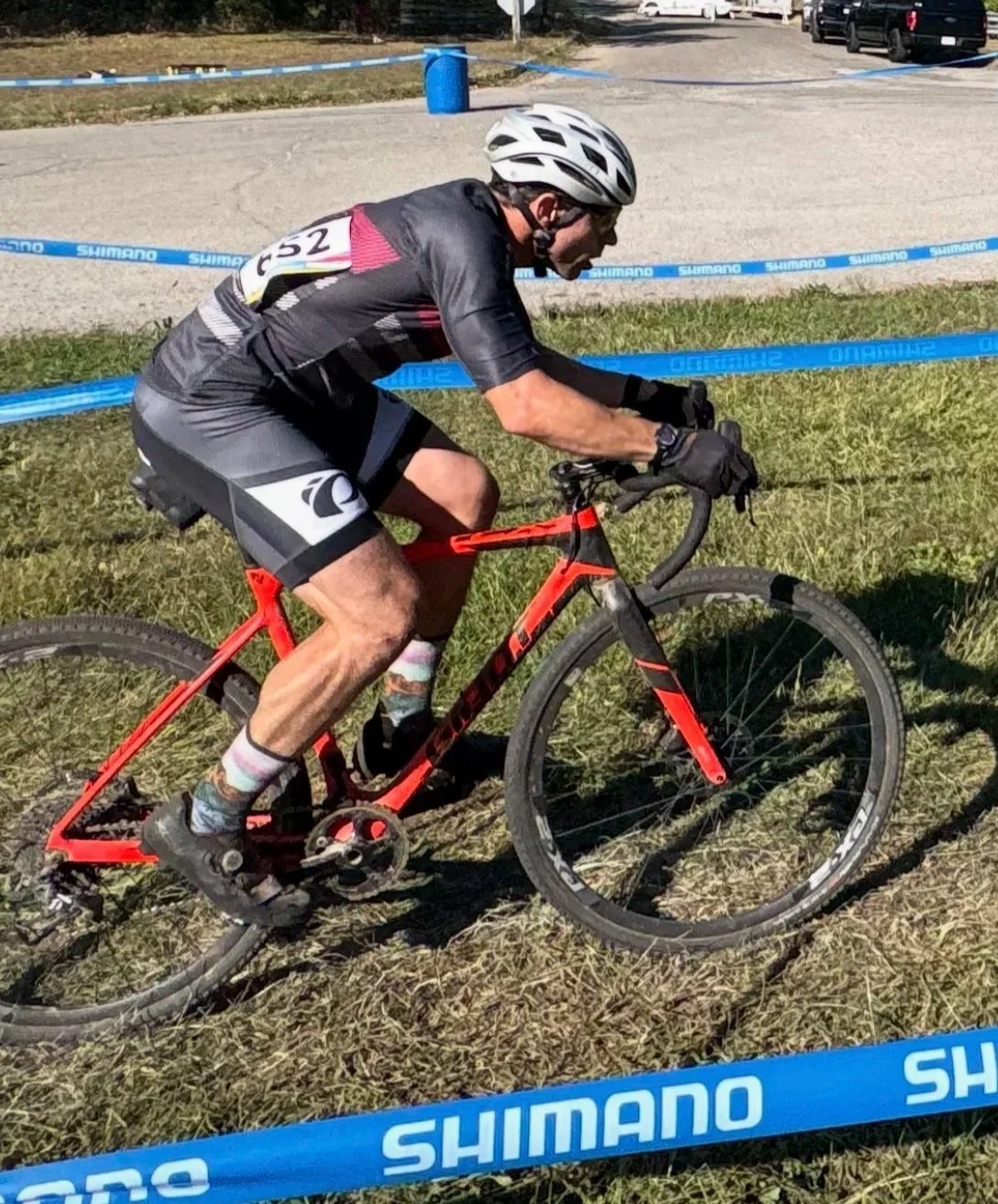
Preowned & Refurbished Bicycles vs New Bicycles: What’s The Difference?
When it comes to purchasing a bike, particularly for enthusiasts and outdoor adventurers, the choice between a new bike and a preowned one can be a crucial decision. Whether you’re looking for a road bike for speedy commuting, a mountain bike for rugged trails, or a gravel bike for multi-terrain adventures, understanding the benefits and drawbacks of refurbished bikes compared to new ones can help you make an informed choice.
Understanding Refurbished Bikes
Refurbished bikes, often referred to as renewed, reconditioned, or overhauled, have been previously owned but restored to a nearly new condition. These bikes typically undergo a thorough service, addressing any wear and tear and ensuring all components are in optimal working order. Purchasing a refurbished bike not only provides a cost-effective option but also contributes to sustainable cycling practices by extending the lifecycle of quality bicycles.
Cost Efficiency
One of the most significant advantages of opting for refurbished bikes is the affordability. New bicycles, especially those designed for triathlons or high-performance mountain bikes, can easily cost thousands of dollars. In contrast, a refurbished bicycle, whether it’s a second-hand road bike or a pre-owned mountain bike, can save you a considerable sum of money without sacrificing quality. Many shops that specialize in refurbished bikes offer warranties and histories of their cycles, highlighting the components replaced or serviced, giving buyers reassurance about their investment. Bicycle Blue Book is a great resource for comparing make, model, condition, and value of new and used bikes.
Quality and Performance
While many may assume that a new bike offers better performance, a well-serviced used bike can compete, and even outperform, its brand-new counterparts. Typically, shops that deal in refurbished bicycles conduct rigorous inspections and repairs, ensuring the bike is not only functional but performs at its best. When buying a refurbished bike, it’s essential to look for those that have been serviced by reputable bicycle shops, as they are more likely to meet high-quality standards.
Environmental Impact
Choosing a refurbished bike is also an environmentally conscious decision. Bikes have a long lifespan, and by opting for a pre-owned model, you are participating in reducing waste and promoting sustainability. Each bicycle you save from a landfill contributes positively to the environment, making every ride a guilt-free pleasure.
Customization and Personal Touch
Another exciting aspect of used bikes is the potential for customization. Many cycling enthusiasts enjoy tinkering with their bikes to enhance performance or aesthetics. A second-hand bike often comes with potential upgrade opportunities, allowing riders to personalize their cycle to fit their style. Whether it’s adding new handlebars, upgrading gears, or customizing colors, the accessory options are endless with a refurbished bike.
Conclusion
In conclusion, the choice between a new bike and a preowned bike largely depends on personal preferences, budget constraints, and intended use. If you’re an occasional rider looking for a reliable mountain bike or a dedicated triathlete seeking a top-performing road bike, considering used option can provide excellent value. With significant cost savings, potential for customization, and a reduced environmental footprint, used bikes stand out as a worthy investment. So, as you gear up for your next cycling adventure, remember the benefits of exploring refurbished options at local bicycle shops like Evolve Cycle. They just might have the perfect bike tailored to your cycling needs.
Read more of what our hundreds of happy customers say about our service and sales!
Like, follow, and drop us a message!
Instagram: @EvolveCycle
Ride on!
Joey
Owner | Mechanic
Used Bikes of Indianapolis

Road Bike vs Tri Bike: What’s the difference?
If you are just starting out in cycling and thinking about training for your first triathlon, whether sprint, Olympic distance, or Half/Full Ironman, consider purchasing a road bike with drop bars as your first competition bike.
The Difference Between Road Bikes and Triathlon Bikes
When it comes to competitive cycling, two types of bikes pave the scene: road bikes and triathlon bikes. While both are designed for speed and efficiency, they differ in terms of geometry, aerodynamics, and rider positioning. Top brands like Trek, Giant, Specialized, and Cannondale all manufacture an array of road, triathlon, and time trial bicycles and builds for all levels of rider, from beginner to professional. And many of those models can be found for a fraction of the cost of new here at Evolve Cycle, home of quality used and renewed bikes, based in Indianapolis, Indiana.
Geometry and Comfort
Road bikes are built for endurance, with a focus on comfort for long rides, with handlebars designed for multiple riding positions. The geometry of a road bike features a more relaxed frame, which places the rider in an upright position, reducing strain on the back and shoulders. This makes road bikes ideal for riders who are spending up to several hours in the saddle or just getting started in the sport, whether in a race or on a casual ride. The handlebars are usually set higher, promoting a more neutral, comfortable position.
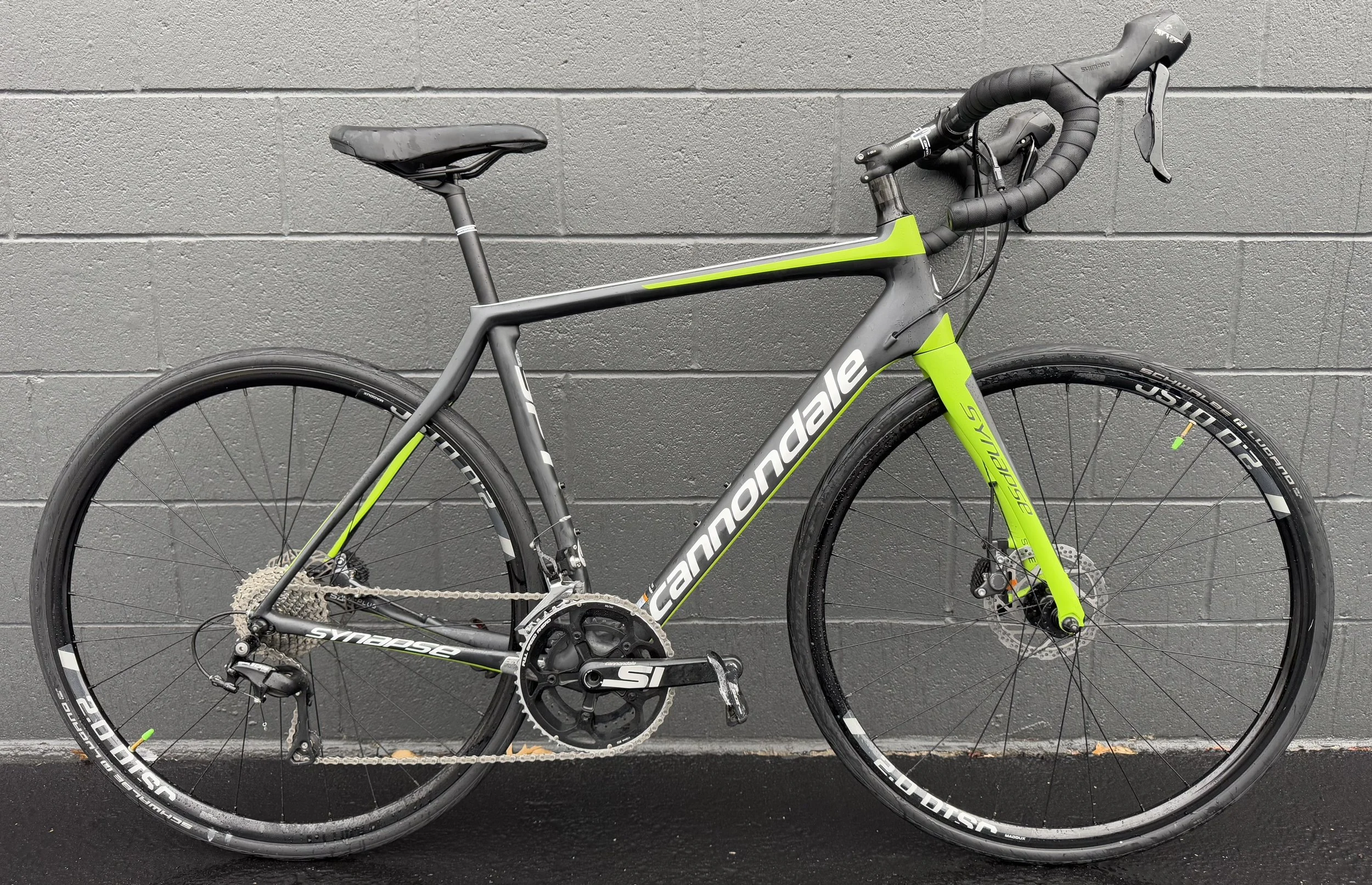
Cannondale Synapse Carbon Disc Road Bike w/ Drop Bars
In contrast, tri bikes, also known as time trial or tt bikes, are designed for short, high-intensity races like triathlons. These bikes have a steeper frame angle, and a compact, forward oriented cockpit which shifts the rider’s body forward. The position forces the rider to lean forward and lower their torso to optimize aerodynamics, reducing drag and maximizing speed. The handlebars are typically aero bars, allowing the rider to maintain a more aggressive, tucked position.

Cervelo P2 Carbon Tri Bike w/ Aero Bars
Aerodynamics and Speed
The primary distinction between these bikes lies in their aerodynamic design. Triathlon bikes are crafted primarily with aerodynamics in mind, incorporating features like aero frames, deeper wheels, and integrated components to reduce wind resistance. This allows riders to sustain higher speeds for shorter distances. Road bikes, while only slightly less aerodynamic than triathlon bikes, strike a balance between speed and comfort, making them versatile for a wide range of cycling disciplines.
Conclusion
While both road bikes and triathlon bikes are fast, the key difference lies in the intended use and rider position. Road bikes prioritize comfort and endurance, while triathlon bikes emphasize speed and aerodynamics. Choosing between the two depends largely on the type of cycling event and personal preferences.
Pro Tip:
If you are just starting out in cycling and thinking about training for your first triathlon, whether sprint, Olympic distance, or Half/Full Ironman, consider purchasing a road bike with drop bars as your first competition bike. As I explained above, road bikes with drop bars can be more comfortable and versatile than tri bikes. Road bikes can be outfitted with a wider range of tire width and type, and they allow for multiple riding positions as you get used to the style and discipline of road riding and racing. If you find yourself really enjoying triathlon competing and training, then your first road bike can then become your training bike for indoor or outdoor, and you can purchase a second triathlon specific bike for races and targeted training. Another attractive option would be to upgrade or alter your first road bike by attaching easy clip-on aero bars. If you want to completely convert your road bike to a tri bike, all you need are new aero and base handlebars, shifters, and brake levers specific to tri bikes. Then, swap them onto your current road bike with some new cables, housing, bar wrap, and a little assistance from a friend, local bike shop, or YouTube. And voila, you’ve converted your road bike into a triathlon specific, aerodynamic speed machine!
References:
1. “TT bike vs road bike: understanding the differences” Cyclingnews. (2021).
2. “Road Bike vs. Tri Bike: What’s The Difference” Triathlete. (2022).
3. “Triathlon Bike Aerodynamics – The Science Behind It” Triathlon Bikes.